Patagonia
Trekking Torres del Paine
Itinerary
Suggested days are on a tight schedule. Add days for a more relaxed trip.
Escape plan
Some links in this guide are affiliate links. If you book through them, I may earn a small commission at no extra cost to you.
Book the trek first
Torres del Paine ("Paine" means blue in the Indigenous Aónikenk language) has 2 main multi-day routes:
- W Trek: about 5–6 days.
- O Circuit: about 8–10 days and loops around the entire massif. The north side is much more remote, cold, and windy, and far fewer hikers choose this route.
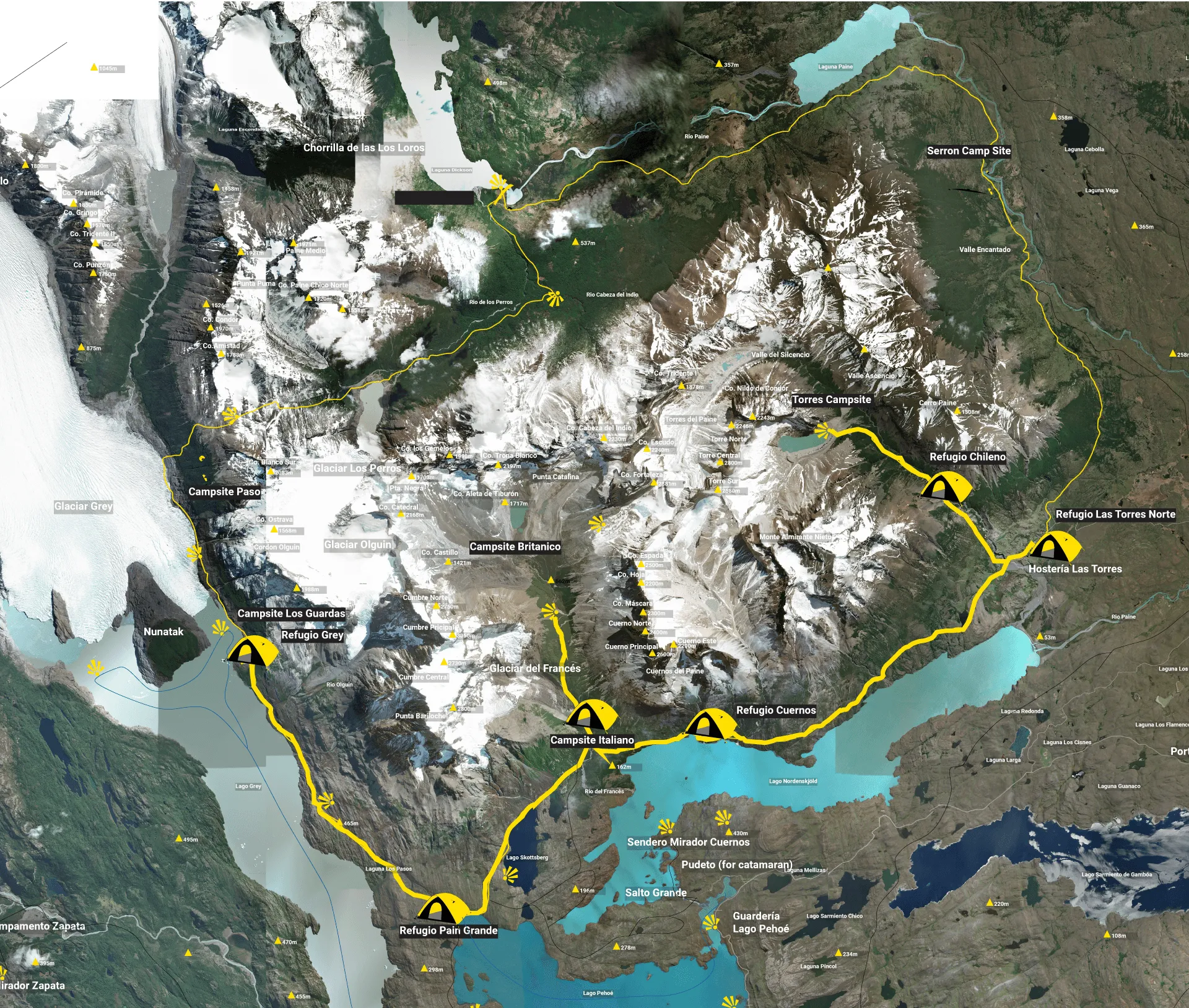
Book through an agency and do it months in advance. Refugios sell out fast, and booking them yourself means coordinating multiple operators. An agency tour bundles your lodging along the route, meals, transfers and park entrance.
Get 20% off in Howlanders' Black Friday sale. That's when I booked their Torres del Paine W Trek Tour.
This is not an easy trip to do cheaply. Expect roughly $1,000–$2,000+ per person for the trek, depending on the number of days, lodging, and what's included.
Choose the 6-day W Trek instead of 5 days. The extra time gives you more time around the glaciers.
When booking, choose between a dorm bed or a tent at each refugio. I prefer the tent for more privacy.
When to go
Patagonia is in the Southern Hemisphere, so the seasons are reversed from the U.S.
- December–February: Summer and peak season, with long days, warmer weather, and the most services open.
- October–November / March–April: Fewer crowds, cooler temperatures, and more unpredictable weather.
- May–September: Avoid.
Arrive in Punta Arenas
This is a long travel day. Fly into Punta Arenas (PUQ), usually connecting through Santiago. The flight over the Andes can get bumpy.
From the airport, take Bus-Sur about 3 hours to Puerto Natales, your base before heading into Torres del Paine. Reserve ahead just in case. You can book directly through the Bus-Sur website.
When you enter Chile, you'll get a Tourist Card / PDI slip from immigration. Keep it with your passport and show both when checking into hotels and refugios to avoid the 19% lodging tax.
Gear up in Puerto Natales
Use Puerto Natales as your base before the trek. The town is quiet, but give yourself 2 full days here in case of travel delays.

Fill the extra time with day trips, such as the Balmaceda and Serrano glaciers. Book the excursion through Viator.
Patagonia is extremely windy. Strong gusts can knock people off balance, and loose items can get blown away fast, so keep your things secure. If a really strong gust hits while you're hiking, stop and get low until it passes.
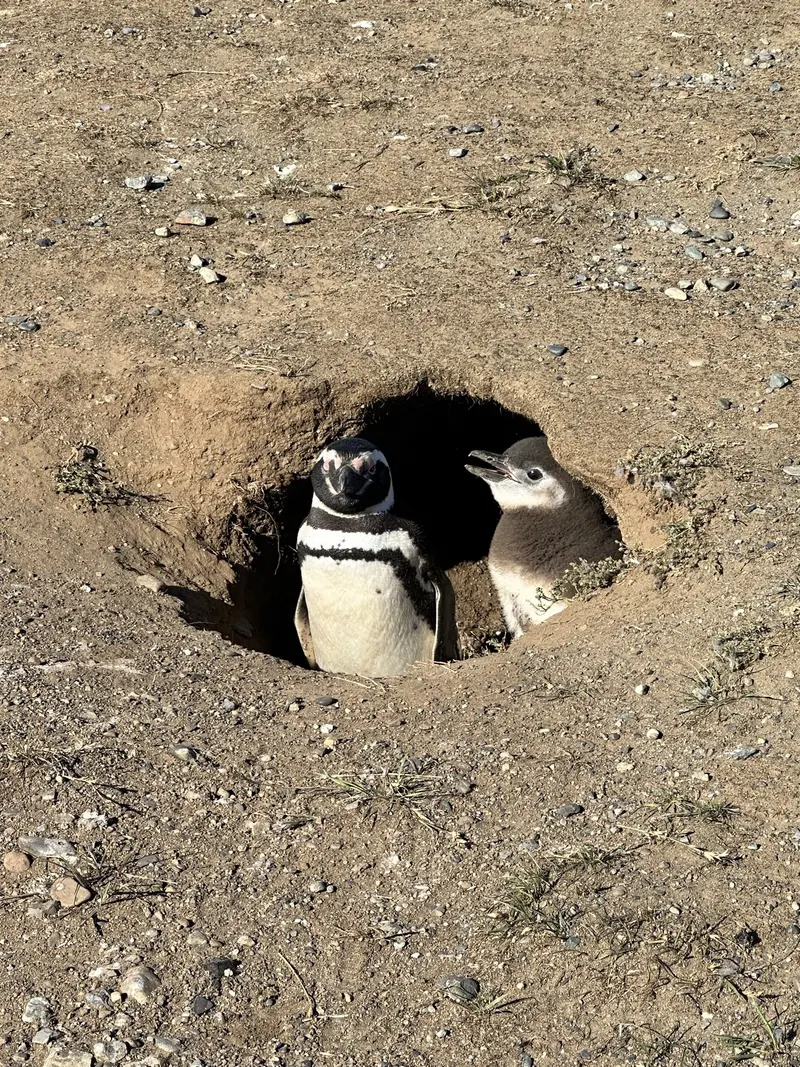
The Navy often cancels all boat excursions for the day when it’s too windy. My glacier cruise was canceled, and I only made it out to see the penguins on my 3rd attempt. Don't stress too much though. The hike is the main attraction.
The day before the trek, meet with your trekking company in Puerto Natales for a briefing on the route, weather, gear, and logistics.
The most fun spot in town for food and drinks is Base Camp.
Torres del Paine W Trek
Refugios
You're assigned a camp along the trail each night, called a refugio.
It's really more glamping than camping. The refugios have hot showers and places to charge your devices. The cafeteria serves breakfast, a packed lunch for your hike, and dinner with several food options plus dessert.
The evenings can have a bit of a party scene, but there are plenty of quieter places around the refugio too. At the bar, try a drink with calafate, a Patagonian berry.
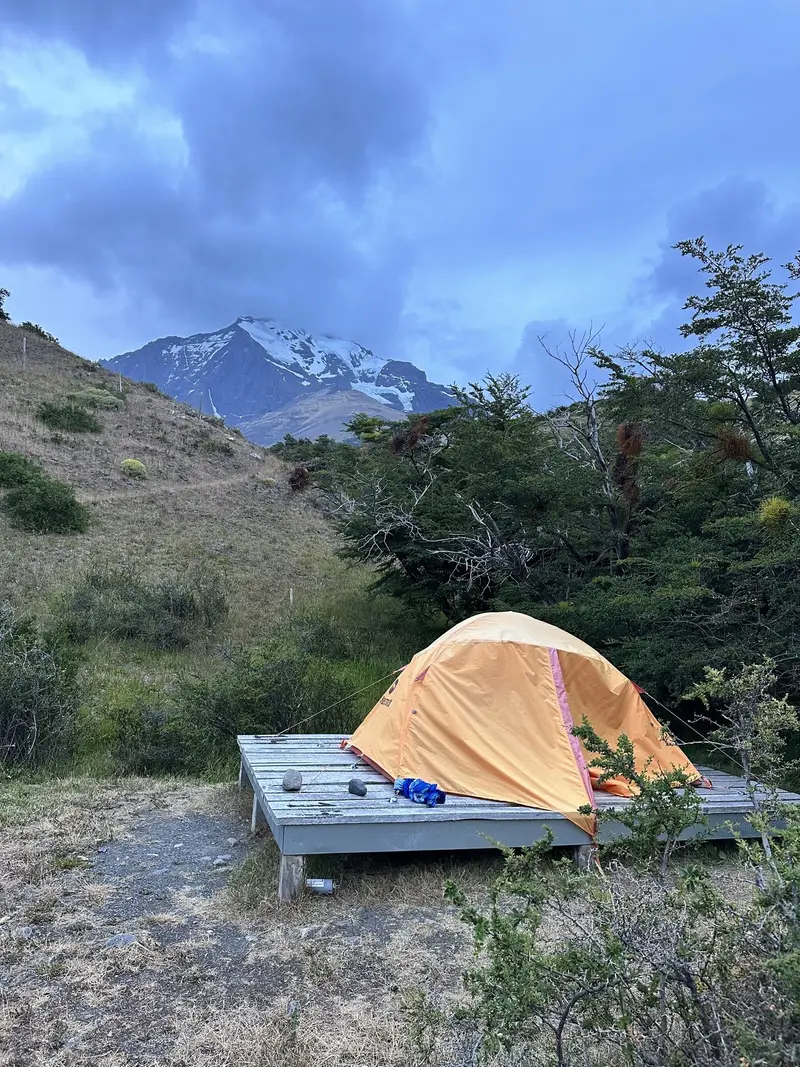
If you're staying in a tent, it's already set up outside the refugio when you arrive, with sleeping pads, pillows, and blankets, so you don't need to carry camping gear. The tents are spacious and comfortable for 1 person, and cozy for 2.
How the W Trek days work
Each day, you'll have an assigned refugio to reach by the end of the day. Routes can vary depending on availability, so if you're traveling with friends, book together so you're assigned the same itinerary.
You have the whole day to reach your next stop. Most hiking days take about 5–8 hours. You don't need a guide. The trail is well marked and easy to follow, so you can't get lost, and there are plenty of fellow hikers along the way. Take your time and enjoy the scenery.
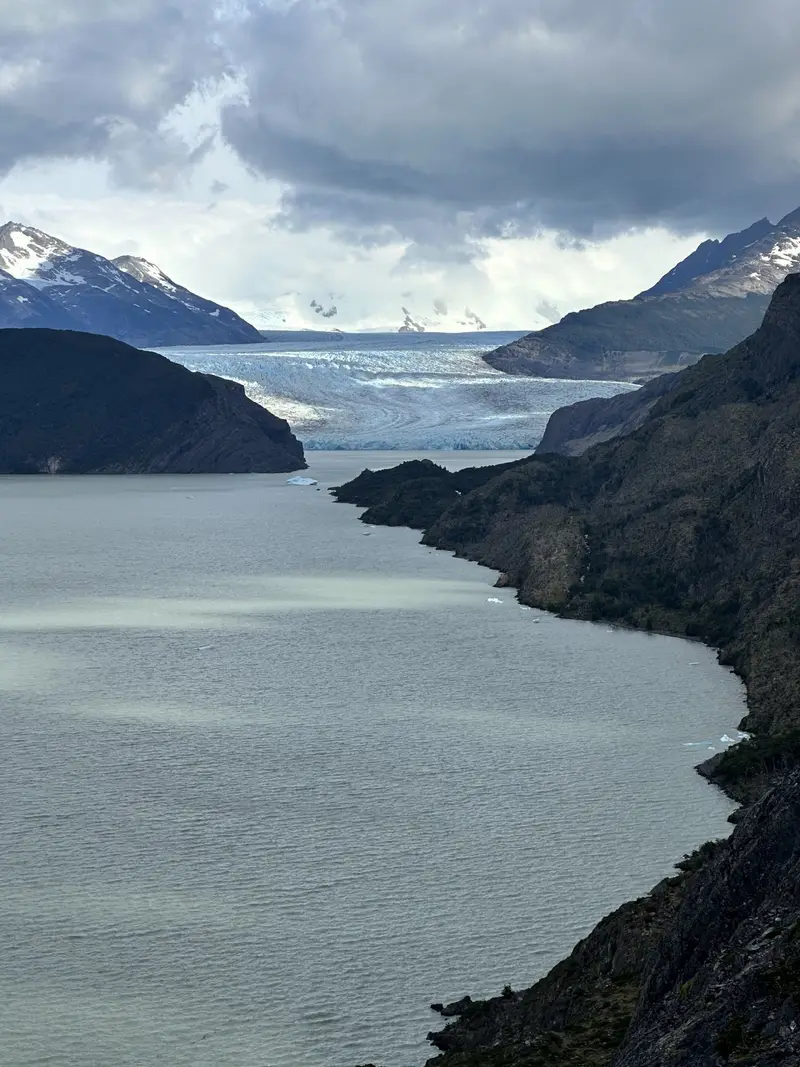
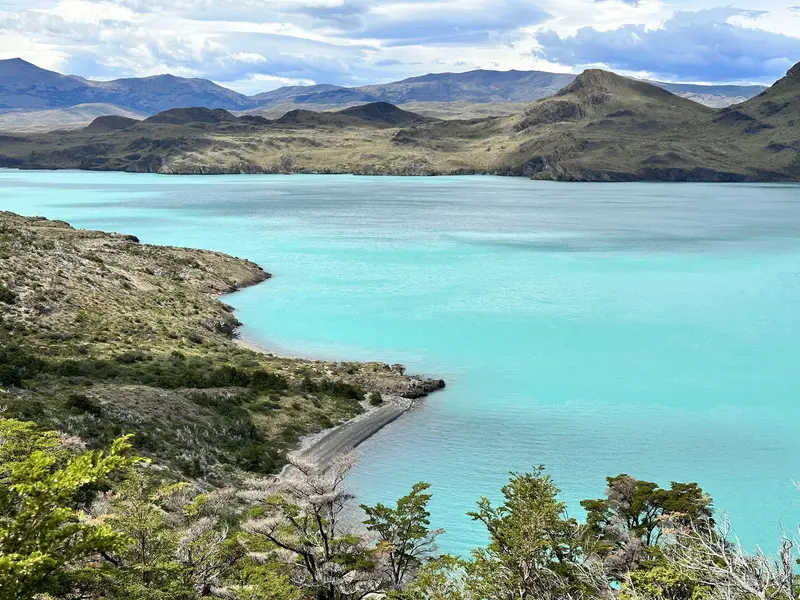
Two of the hikes on the W Trek are out-and-back climbs. There'll be a backpack drop area where you can leave your big backpack, and your things are safe there. Take only what you need in a daypack, then pick your backpack back up on the way out.
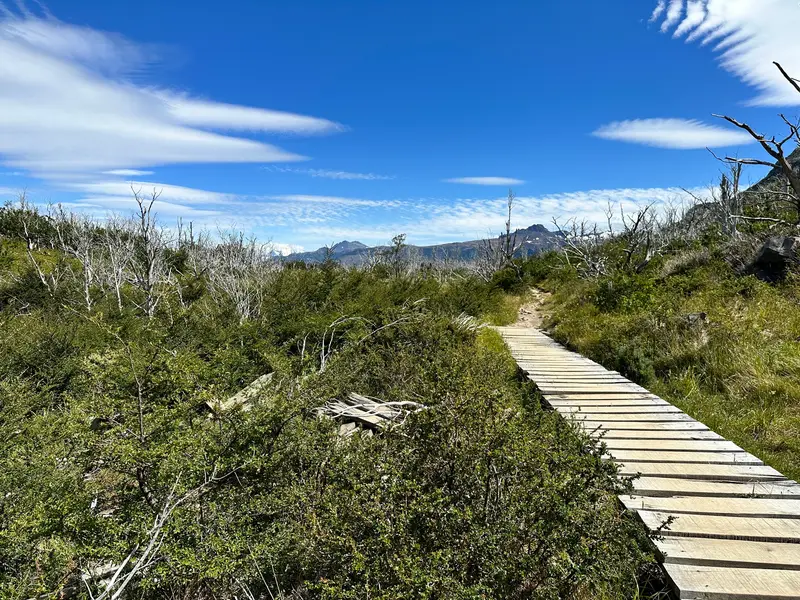
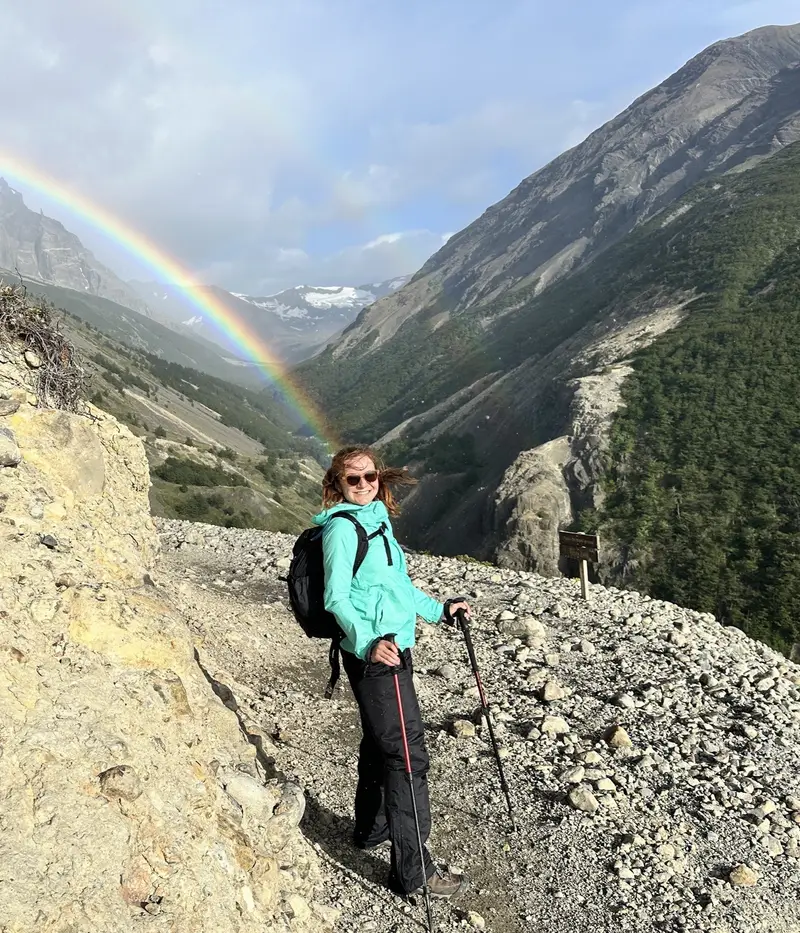
Be ready for every kind of weather. On a single hike, you're likely to experience cold rain, strong wind, and hot sun. Have layers ready.
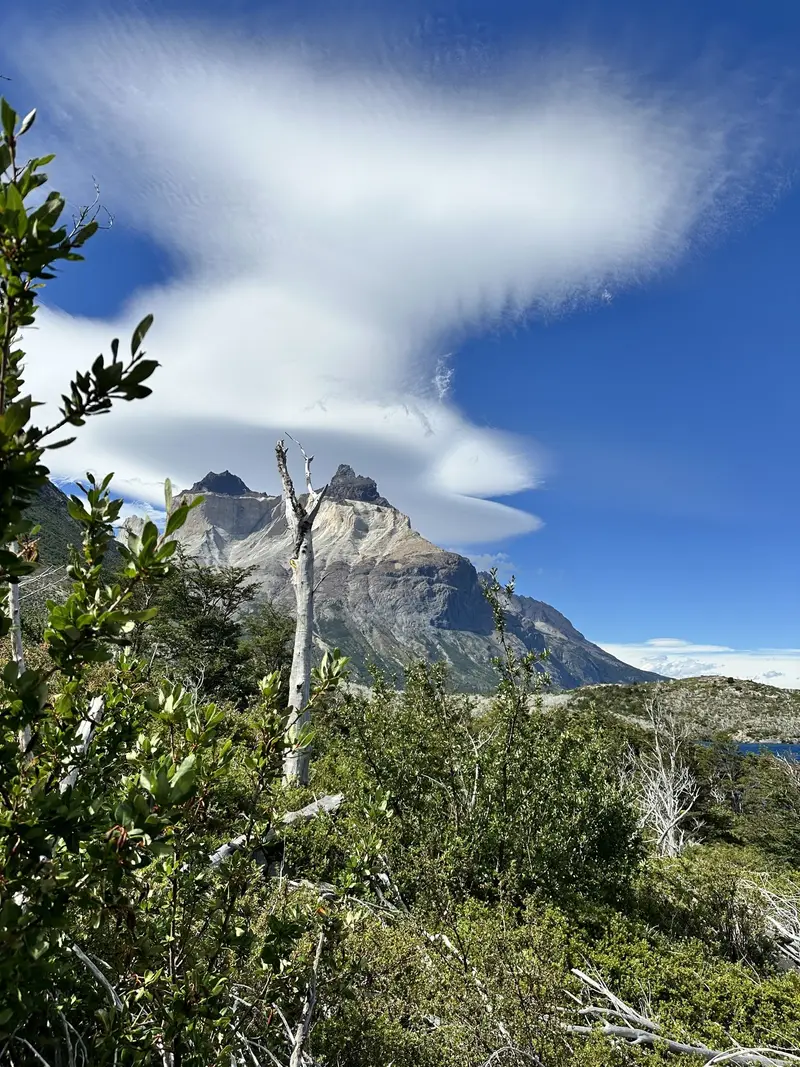
Start early. I tried to be the first person out on the trail each morning. You can request to have your breakfast prepacked instead of waiting for breakfast service.
You'll get a couple of hours of quiet hiking before seeing many other people, and you're also more likely to spot wildlife early in the morning.
Starting early can also help with Patagonia's unpredictable weather. One morning, strong winds moved in after I'd set out, and hikers who started later weren't allowed onto the trail, so they missed it completely. If the trail is closed when you arrive, wait a couple of hours to see if the wind dies down.
Visit the penguins in Punta Arenas
After the W Trek, spend the night in Puerto Natales, then take the bus back to Punta Arenas and check into a hotel.
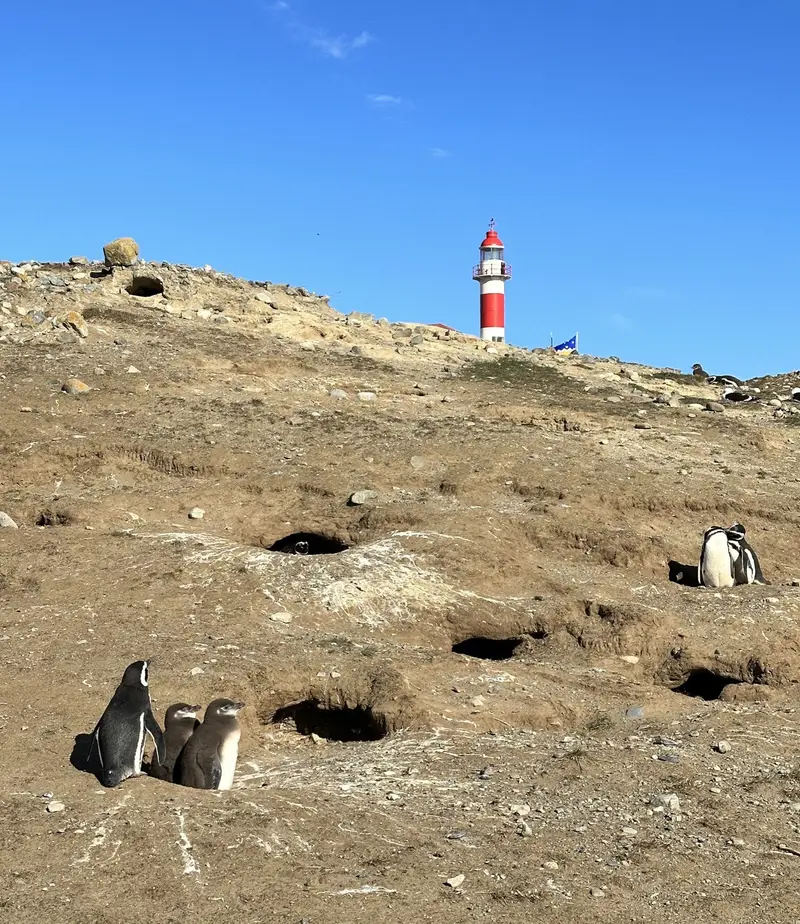
Book a tour to penguin island. The boat ride can get a bit bumpy, so take nausea medicine if you need it.

Departure
Fly home from Punta Arenas (PUQ), or continue your adventures in Peru.
This itinerary is from 2023. Hours, prices, and availability change. Double-check everything before you go!
The essentials
Hi! This itinerary took hours of research. If it saved you some, please consider leaving a tip!
What to pack
- Broken-in hiking shoes
- KT Tape, pre-cut into strips, or bring collapsible scissors
- Good hiking socks, like Darn Tough
- Hiking poles, or rent some in Puerto Natales. This is a must-have.
- Waterproof daypack
- Backpacking backpack with a rain cover
- Rain jacket
- Puffy jacket
- Hat with strings so it doesn't blow away
- Sunglasses
- Sunscreen
- Refillable water bottle
- Travel binoculars
- Portable phone charger
- Kindle
- Bag for dirty clothes
- Face wipes
- Tissues
- Patagonia travel book
Digital packing list
Learn more- Download offline Google Maps How?
- Download Spanish in Google Translate
- Currency converter app
- Get AllTrails and open your trail before you lose signal
- Download the PeakFinder area for the region
- Download the local bird pack for Merlin Bird ID
FAQ
Is it safe to do the W Trek solo?
Yes. You don't need a guide. The trail is well marked and easy to follow, there are plenty of fellow hikers along the way, and every night you stay at an assigned refugio. Watch out for the strong wind, and if a big gust hits, stop and get low until it passes.
Should I do the W Trek or the O Circuit?
The W Trek takes about 5 to 6 days, and the O Circuit about 8 to 10 days around the whole massif. The O's north side is much more remote, cold and windy. I recommend the 6-day W Trek for more time around the glaciers.
Should I pick a tent or a dorm bed at the refugios?
You choose one or the other for each refugio when you book. I prefer the tent for more privacy. Tents are spacious for 1 person and cozy for 2.
Do I need to carry my own camping gear?
No. If you book a tent, it's already set up at the refugio when you arrive, with sleeping pads, pillows and blankets. Refugios also have hot showers and serve meals.
Local phrases
A few Spanish words worth knowing before you go. Chilean Spanish can be particularly hard to understand, even for other Spanish speakers.
- HiHola
- Thank youGracias
- PleasePor favor
- Excuse meDisculpe